How Do I Know If I Need Dermal Fillers or Something Else?

Updated: July 2026
As we age, changes in our face happen gradually. You may notice your cheeks look flatter, your lips have lost fullness, or the lines around your mouth seem deeper than they used to be. While many people assume dermal fillers are the answer, they are only one of several aesthetic treatments that may help depending on what's causing your concerns.
Some people benefit most from fillers, while others may be better candidates for treatments that improve skin quality, stimulate collagen, or relax facial muscles. Understanding the difference can help you make a more informed decision before scheduling a consultation.
If you're considering dermal fillers in Draper, Utah, this guide explains how facial aging occurs, when fillers make sense, and when another treatment may be the better option.
What Signs Usually Mean You've Lost Facial Volume?
Facial volume loss is one of the most common reasons people begin exploring cosmetic treatments. Rather than wrinkles appearing first, many people notice subtle changes in the structure of their face.
Common signs include:
- Hollow cheeks
- Sunken temples
- Thinner lips
- Under-eye hollows
- More noticeable smile lines
- Marionette lines around the mouth
- Less definition along the jawline
- A tired or aged appearance even after getting enough sleep
Volume loss often develops so gradually that you may not realize it's happening until comparing recent photos with older ones.
Unlike dynamic wrinkles caused by facial movement, volume loss changes the overall shape and support of the face. Restoring that lost support is where dermal fillers can often make a significant difference.
What Causes Volume Loss as You Age?
Several natural changes occur beneath the skin over time.
Collagen and Elastin Decline
Collagen provides structure while elastin helps skin stay firm and resilient. Production of both slows beginning in our twenties and continues throughout adulthood.
Fat Pads Shift
The facial fat compartments that create youthful contours slowly shrink and descend with age. This creates hollow areas while allowing skin to sag.
Bone Structure Changes
Even facial bones change over time. The gradual loss of bone support contributes to reduced facial definition.
Lifestyle Factors
Sun exposure, smoking, stress, weight fluctuations, and genetics can accelerate these changes.
Since aging affects multiple layers of the face, the best treatment often depends on which layer is responsible for the concern.
How Do Dermal Fillers Restore Facial Volume?
Dermal fillers are injectable gels designed to restore volume, improve facial contours, and soften certain folds and lines.
Depending on your individual needs, fillers may be used to enhance:
- Cheeks
- Lips
- Chin
- Jawline
- Nasolabial folds
- Marionette lines
- Under-eye hollows in appropriate candidates
Rather than simply filling wrinkles, modern filler treatments focus on restoring youthful facial proportions while maintaining natural movement and expression.
Results are typically visible shortly after treatment, although final results become more apparent once initial swelling resolves.
When Are Biostimulators a Better Option?
Not every patient needs immediate volume replacement.
Biostimulators are injectable treatments that encourage the body to produce more collagen over time. Instead of adding instant volume like traditional fillers, they work gradually to improve skin support and firmness.
People sometimes ask whether they should choose dermal fillers or biostimulators. The answer depends on their goals.
Biostimulators may be discussed when someone wants:
- Gradual improvement
- Long-term collagen stimulation
- Better skin quality
- Mild facial volume enhancement over time
Dermal fillers may be preferred when immediate volume restoration is the primary goal.
The right recommendation depends on your facial anatomy, age, skin quality, and desired outcome. During your consultation, your provider can explain which approach best matches your needs.
Can PRF Be Used Instead of Fillers?
Platelet-Rich Fibrin, commonly called PRF, is another regenerative treatment people often compare with fillers.
PRF uses components from your own blood to encourage natural healing and tissue regeneration.
Unlike fillers, PRF does not create immediate structural volume. Instead, it may gradually improve:
- Skin texture
- Skin quality
- Fine lines
- Under-eye appearance
- Overall skin rejuvenation
For individuals looking for subtle, natural improvements, PRF may be discussed as part of a personalized treatment plan.
However, if significant facial volume has been lost, PRF alone typically cannot replace the lifting and contouring effects that dermal fillers provide.
When Are Neurotoxins Recommended Instead?
Wrinkles do not all develop for the same reason.
Dynamic wrinkles form because facial muscles repeatedly contract over many years.
Common examples include:
- Forehead lines
- Frown lines between the eyebrows
- Crow's feet
Neurotoxins temporarily relax these muscles, allowing the overlying skin to appear smoother.
Dermal fillers, on the other hand, address volume loss rather than muscle movement.
If your concern is a deep smile line caused by shrinking facial volume, fillers may be more appropriate.
If your concern is forehead wrinkles that appear when raising your eyebrows, neurotoxins may provide better improvement.
Many patients benefit from both treatments because they address different aspects of facial aging.
Can These Treatments Be Combined?
Yes. Many personalized treatment plans combine multiple techniques to address different concerns.
For example:
- Dermal fillers restore facial volume.
- Neurotoxins soften expression lines.
- PRF supports healthier-looking skin.
- Medical-grade skincare helps maintain results.
Combining treatments often creates a more balanced and natural outcome because each treatment targets a different cause of facial aging.
Rather than chasing individual wrinkles, comprehensive treatment plans focus on overall facial harmony.
Who Is a Good Candidate for Dermal Fillers in Draper, Utah?
Many healthy adults seeking subtle facial enhancement may be candidates for dermal fillers.
You may benefit if you want to:
- Restore lost facial volume
- Enhance lip fullness
- Improve facial symmetry
- Soften moderate facial folds
- Refresh a tired appearance
- Maintain a youthful look without surgery
A consultation is the best way to determine whether fillers are appropriate or whether another treatment would better achieve your goals.
Your provider will evaluate your:
- Medical history
- Facial anatomy
- Skin quality
- Aesthetic concerns
- Treatment goals
Every face ages differently, which is why personalized recommendations are so important.
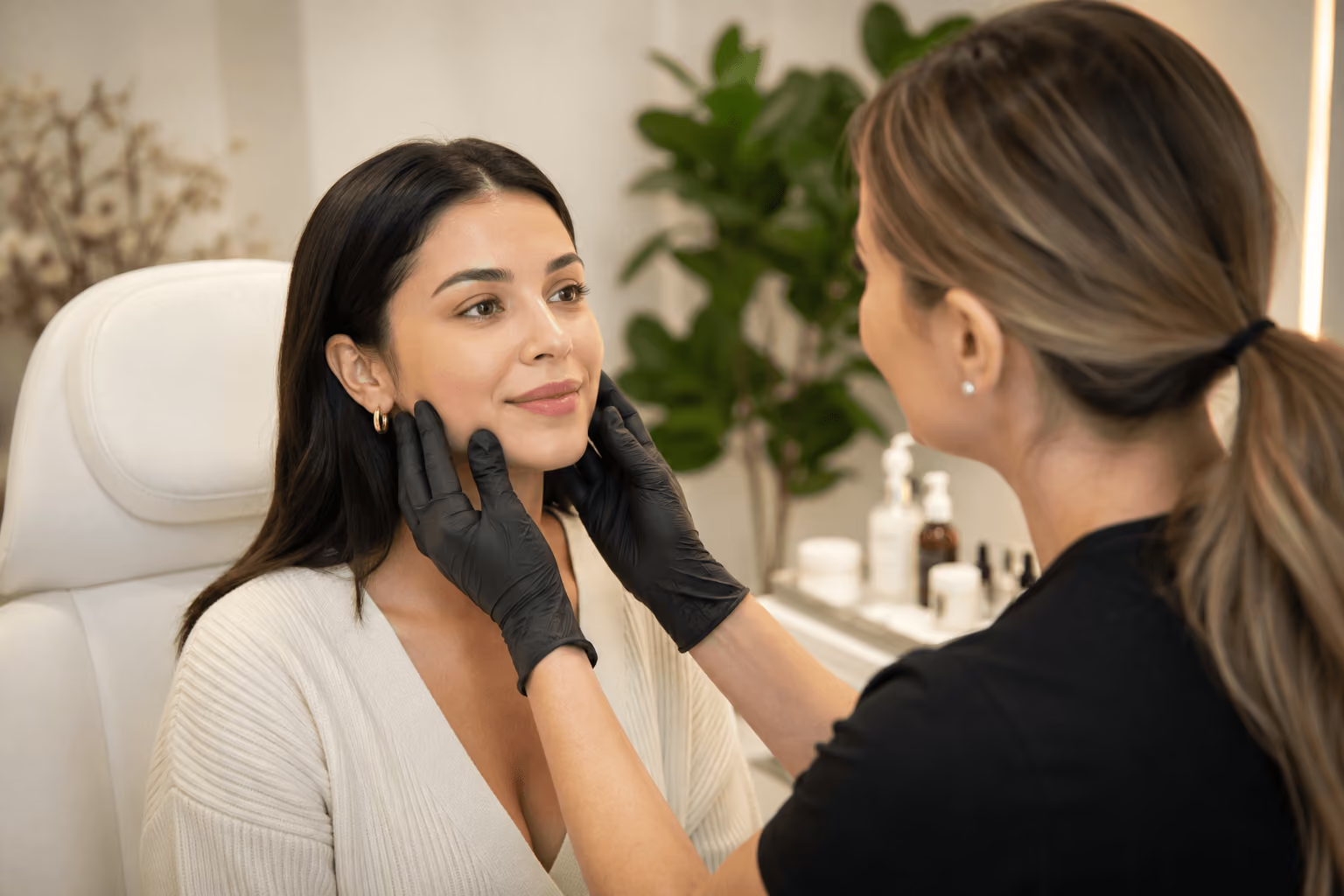
What Happens During a Dermal Filler Appointment?
The process typically begins with a detailed consultation.
Your provider will discuss:
- Your concerns
- Your desired outcome
- Areas you would like to improve
- Whether fillers or another treatment is the better choice
During treatment:
- The treatment area is cleansed.
- Injection points are carefully planned.
- Filler is placed using techniques appropriate for the treatment area.
- Your provider evaluates symmetry and facial balance throughout the procedure.
Many appointments can be completed in less than an hour.
Some temporary swelling, redness, or bruising may occur afterward, but most patients resume normal daily activities relatively quickly, depending on the treatment performed and their provider's aftercare recommendations.
Where Can You Get Dermal Fillers in Draper, Utah?
If you're considering dermal fillers in Draper, Utah, choosing an experienced aesthetic provider is just as important as selecting the treatment itself.
Look for a practice that emphasizes:
- Personalized consultations
- Natural-looking results
- Comprehensive facial assessments
- Individualized treatment planning
- Patient education before treatment
At True Medical Spa, patients receive customized recommendations based on their unique facial anatomy and aesthetic goals. Rather than recommending the same treatment for everyone, the team focuses on identifying the underlying cause of each concern and creating a personalized treatment plan that supports balanced, refreshed results.
Whether you're exploring lip fillers, facial rejuvenation, or simply want to understand which option may be right for you, scheduling a professional consultation is the best first step.
It's Not About Filling Everything. It's About Treating the Right Thing.
The best cosmetic treatment isn't always the most popular one.
Sometimes dermal fillers are exactly what's needed to restore youthful contours. Other times, improvements in skin quality, collagen production, or muscle movement are the real solution.
The key is understanding why your face has changed before deciding how to treat it.
If you're unsure whether dermal fillers or another approach is right for your goals, a personalized consultation can provide the clarity you need to make a confident decision while achieving results that still look like you.
Frequently Asked Questions
How long do dermal fillers typically last?
The longevity of dermal fillers depends on the product used, the treatment area, and your body's metabolism. Many fillers last anywhere from several months to well over a year before maintenance treatments may be recommended.
Are lip fillers and a lip flip the same treatment?
No. Lip fillers add volume and shape using injectable filler, while a lip flip uses a neurotoxin to relax muscles around the upper lip, creating the appearance of a slightly fuller lip without adding volume.
Are dermal fillers painful?
Most patients report only mild discomfort. Many filler products contain a local anesthetic, and providers often use numbing cream or other comfort measures during treatment.
Can dermal fillers look natural?
Yes. When performed by an experienced injector, dermal fillers are designed to enhance your natural features while maintaining facial balance and expression rather than creating an exaggerated appearance.
How do I know if dermal fillers are right for me?
The best way to determine whether you need dermal fillers or another treatment is through a professional consultation. Your provider can evaluate your facial anatomy, discuss your goals, and recommend the most appropriate treatment plan based on your individual needs.