What Type of Chemical Peel Is Right for Your Skin Type in Draper, Utah?

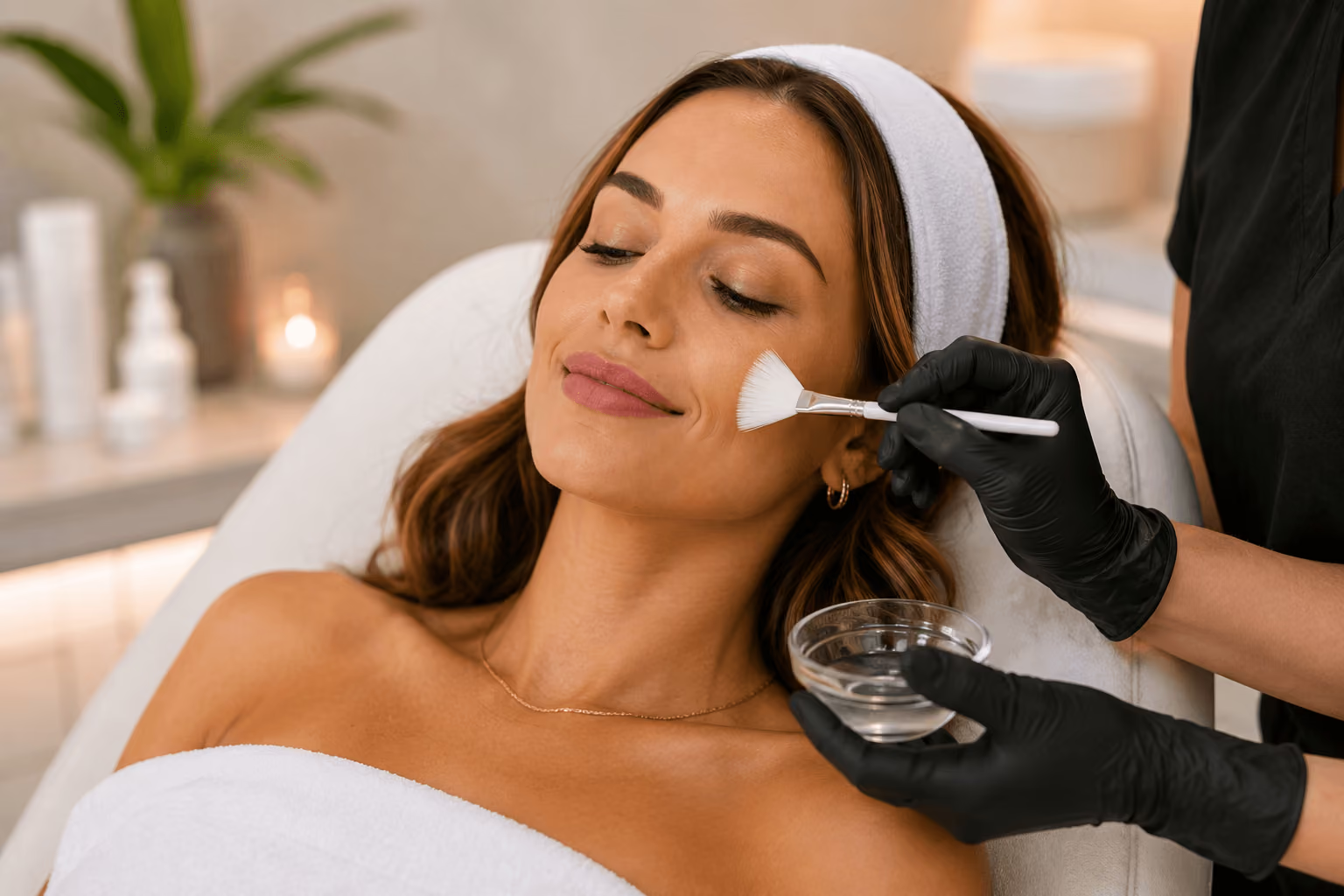
Not every chemical peel is created equal, and choosing the wrong strength or formulation for your skin can mean the difference between a healthy glow and unnecessary irritation. With so many peel options available, it makes sense that patients often ask which one is actually right for their specific skin, rather than simply picking whatever sounds the most effective.
This guide walks through how peel strength works, how to match a peel to your specific concerns, and what to expect from the process. Updated for August 2026, this reflects how we currently guide patients through peel selection at True Medical Spa.
What Are the Different Strengths of Chemical Peels?
Chemical peels generally fall into three broad categories: light, medium, and deep. Light peels use milder acids to gently exfoliate the outermost layer of skin, offering subtle improvement with little to no downtime. Medium peels penetrate slightly deeper, targeting more noticeable concerns like uneven tone or mild sun damage, and typically involve a few days of visible peeling and recovery.
Deep peels reach further into the skin and are reserved for more significant concerns, requiring longer recovery time and more careful aftercare. Most patients, especially those newer to peels, start with a light or medium option and adjust intensity over time based on how their skin responds.
How Do You Know Which Peel Matches Your Skin Concerns?
The right peel really depends on what you are trying to address. Patients dealing with dullness or rough texture often do well with a lighter, more frequent peel schedule, while those targeting concerns like hyperpigmentation or noticeable sun damage may benefit from a slightly stronger formulation used less frequently.
During a consultation, your provider will look at your skin's current condition, sensitivity level, and specific goals before recommending a peel type and strength. This personalized approach tends to produce far better results than choosing a peel based on strength alone.
Are Chemical Peels Safe for Sensitive or Acne Prone Skin?
Yes, with the right formulation. Certain peel ingredients are specifically well suited for acne prone or sensitive skin, since they help calm inflammation while still providing exfoliation benefits. This is exactly why working with an experienced provider matters so much, since choosing the wrong acid or strength for sensitive skin can lead to unnecessary irritation rather than improvement.
If you have particularly reactive skin, starting with a gentler formulation and gradually building tolerance over multiple sessions is usually a smarter approach than jumping straight into a stronger peel.
What Results Can You Expect, and How Long Do They Last?
Light peels typically deliver a subtle, immediate glow that fades gradually over several weeks, making regular sessions worthwhile for ongoing maintenance. Medium peels offer more dramatic improvement in tone and texture, with results often lasting several months, particularly when paired with a consistent skincare routine at home.
Combining chemical peels with other treatments like microneedling or dermaplaning can also help extend and enhance your overall results, since each treatment addresses skin renewal through a slightly different mechanism.
How Should You Care for Your Skin After a Peel?
Aftercare plays a significant role in how well your skin responds to a chemical peel. Gentle cleansing, consistent moisturizing, and diligent sun protection are essential in the days and weeks following treatment, since freshly peeled skin is more vulnerable to sun damage than usual.
Avoiding harsh exfoliants, retinol, and excessive sun exposure for at least a week after treatment helps protect your results and reduces the risk of irritation or uneven healing. Your provider will typically give you a specific aftercare timeline based on the strength of peel you received.
Building Peels Into a Broader Skincare Plan
Chemical peels work particularly well as part of a broader, ongoing skincare strategy rather than a standalone, one time fix. Many patients incorporate peels seasonally, particularly heading into Draper's colder, drier winter months when skin tends to need extra exfoliation support, or ahead of significant events when a refreshed glow matters most.
Pairing peels with services like facials or diamond glow treatments can also help maintain hydration and softness between more active exfoliation sessions.
Frequently Asked Questions
How often can you get a chemical peel? This depends on peel strength. Light peels can often be done every few weeks, while medium peels typically require several weeks to months between sessions to allow full healing.
Do chemical peels hurt? Most patients describe a mild tingling or warming sensation rather than significant pain, though this can vary depending on peel strength and individual sensitivity.
Can chemical peels help with acne scarring? Certain peel formulations can help improve the appearance of surface level texture and discoloration associated with acne scarring, though deeper scarring may respond better to treatments like microneedling.
Is there downtime after a chemical peel? Light peels usually involve little to no downtime, while medium peels can involve several days of visible peeling before smoother skin emerges.
Finding Your Skin's Perfect Match
The best chemical peel is not the strongest one, it is the one actually matched to your skin and your goals. If you are ready to find the right fit for your skin type and concerns, our team at True Medical Spa in Draper can help build a personalized peel plan during your next visit.