What Is Microneedling? The Real Answer, No TikTok Filter Required

If you've spent any time scrolling skincare content lately, you've probably seen someone's face covered in tiny red dots, captioned with something like "day 3 post-microneedling, texture is already different." It looks intense. It also looks like it might actually work, which is exactly why so many people end up typing "what is microneedling" into Google right after watching that video.
So, what is microneedling, really? In simple terms, it's a professional skin treatment that uses a device with very fine, sterile needles to create controlled micro-injuries in the top layer of your skin. Those tiny punctures trigger your body's natural healing response, which includes producing more collagen and elastin, the proteins responsible for smooth, firm, even-looking skin. It's not about masking a problem with a filter or a product. It's about prompting your skin to repair itself from the inside out.
This guide breaks down exactly how microneedling works, what it can realistically do for acne scars and texture, who it's actually good for, and what the process looks like if you're considering it here in Draper, Utah. Updated for September 2026, so the information reflects how the treatment is currently done and what current research supports.
Why Everyone Is Suddenly Talking About Microneedling
Part of the reason microneedling has become such a common search term is that it addresses concerns a lot of younger patients are actually dealing with right now, not concerns from a decade down the road. Acne scarring, enlarged pores, uneven texture, and post-breakout marks tend to show up in your late teens through twenties, and they don't always fade on their own the way people hope.
Unlike a lot of anti-aging marketing aimed at an older audience, microneedling is popular precisely because it's less about reversing years of damage and more about repairing and preventing, catching texture issues and scarring early instead of waiting for them to become permanent. That shift in framing, from "fixing old skin" to "fixing frustrating skin," is a big part of why the treatment resonates with people in their twenties who just want their skin to look like their skin, minus the bumps and marks.
What Actually Happens During a Microneedling Session
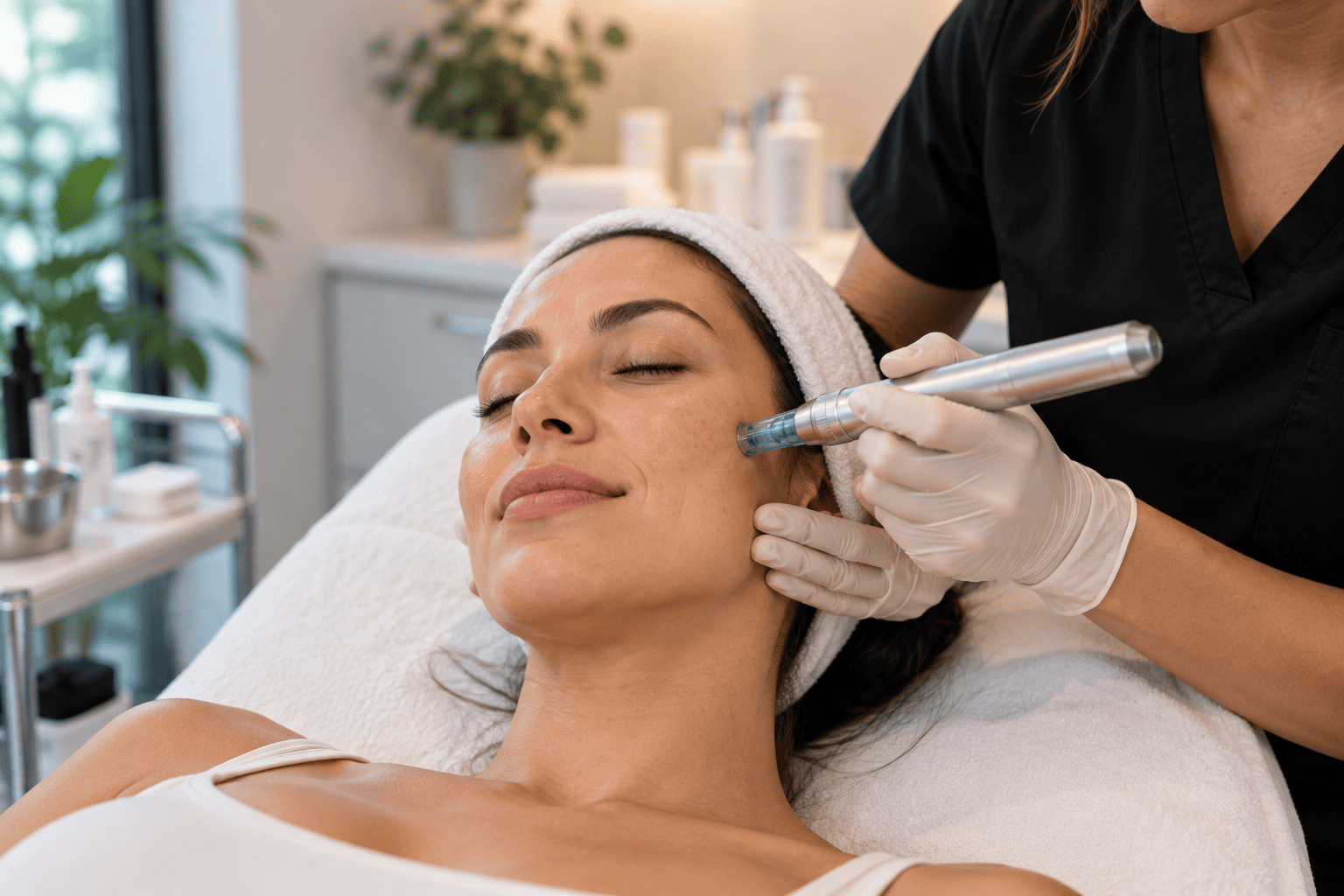
During a professional microneedling treatment, a handheld device creates hundreds of tiny, precise punctures in the skin. This isn't a DIY dermaroller situation. At True Medical Spa, treatments are performed using SkinPen, an FDA-cleared microneedling system designed for controlled depth and consistent, sterile results.
Here's the important part people often miss: the needles themselves aren't what improve your skin. The improvement comes from what your body does afterward. Those micro-injuries signal your skin to ramp up collagen and elastin production as part of the natural wound-healing process. Over the following weeks, that new collagen helps rebuild smoother, more even-toned, more resilient skin from underneath.
What Skin Concerns Does Microneedling Actually Address?
Can Microneedling Help With Acne Scars?
This is probably the single most common reason people book a microneedling appointment, and for good reason. Acne scars, especially the shallow, pitted kind that make skin look uneven in certain lighting, respond well to the collagen remodeling that microneedling stimulates. It won't erase deep, severe scarring in one visit, but a series of treatments can noticeably soften the appearance of scarring over time by encouraging the skin to rebuild more evenly.
What About Texture, Pores, and Post-Breakout Marks?
Not everyone dealing with skin frustration has "scarring" in the traditional sense. Sometimes it's more general: rough texture, pores that seem to have gotten bigger, or lingering discoloration from a breakout that happened months ago. Microneedling can improve overall skin texture and tone by encouraging fresher, more organized collagen production, which is part of why it's become such a popular answer for people who feel like their skin just looks "off" without one specific, nameable issue.
Does Microneedling Help With Fine Lines Too?
Yes, though this tends to matter more to a different age group. The same collagen-boosting mechanism that helps with scarring also firms and smooths skin generally, which is why microneedling shows up as a treatment option on the wrinkles and fine lines concern page as well. If early fine lines are a concern down the road, this is a treatment that's already doing double duty.
Who Is a Good Candidate for Microneedling?
Most people with realistic expectations and generally healthy skin are good candidates for microneedling. It's especially well suited to people dealing with:
- Acne scarring, including shallow or rolling scars
- Uneven texture or enlarged-looking pores
- Post-inflammatory discoloration from past breakouts
- Early fine lines or a general lack of skin firmness
That said, microneedling isn't for everyone. People with active acne breakouts, certain skin infections, or a history of keloid scarring should talk to a provider before booking. This is exactly why a consultation matters: a trained professional can look at your specific skin and tell you honestly whether microneedling is the right first move, or whether something else makes more sense.
What Should You Expect During Recovery?
Right after treatment, skin typically looks flushed or slightly red, similar to a mild sunburn, and may feel warm or tight. This usually calms down within a day or two. Some light flaking or dryness can follow as the skin renews itself. Most people are comfortable returning to normal routines quickly, though sun protection and gentle skincare in the days after treatment matter a lot for getting the best results.
Results aren't instant. Because microneedling works by triggering your body's own collagen production, visible improvement builds gradually over the following weeks, and a series of sessions spaced a few weeks apart tends to produce more noticeable, longer-lasting change than a single treatment.
Microneedling vs. Other Options at True Medical Spa
Microneedling isn't the only tool for texture and scarring, and it's worth knowing how it compares to other options available. For people looking for an added boost, Microneedling with Exosomes pairs the same needling process with exosome technology to support the skin's repair process even further. For deeper texture or laxity concerns, Morpheus8 combines microneedling with radiofrequency energy for more intensive remodeling. A provider can walk through which approach fits your skin and your goals during a consultation, rather than guessing based on what worked for someone else's skin on social media.
Why Local Matters When You're Choosing Where to Get This Done
Search results for skincare treatments are full of generic national advice, but the reality is that where you get microneedling done matters. Draper sits in a high-desert climate with real seasonal shifts, dry air, strong UV exposure in the summer months, and cold winters that can leave skin more sensitive. That matters for aftercare, timing, and how your skin actually responds post-treatment.
Choosing a provider who treats patients across the greater Draper and Salt Lake area regularly, and understands how local climate and lifestyle affect healing, tends to lead to a smoother experience than a one-size-fits-all national chain approach. True Medical Spa treats patients throughout the areas surrounding Draper and tailors aftercare recommendations to the actual conditions patients are dealing with here, not a generic climate assumption.
Frequently Asked Questions
Does microneedling actually hurt? Most patients describe it as more uncomfortable than painful, similar to light sandpaper or a scratchy sensation. A numbing cream is typically applied before treatment to keep the session comfortable, and most people tolerate it well.
How many microneedling sessions will I actually need? It depends on what you're treating. Mild texture concerns may improve with two to three sessions, while more established acne scarring often benefits from a longer series, usually spaced about four to six weeks apart. A consultation is the best way to get a realistic number based on your specific skin.
Is microneedling safe for darker skin tones? Yes. Unlike some laser treatments that carry more risk for hyperpigmentation in deeper skin tones, microneedling doesn't rely on heat or light targeting melanin, which makes it a generally safe option across a wide range of skin tones when performed by a trained provider.
How much does microneedling cost in Draper, Utah? Pricing varies depending on the treatment area and whether it's combined with add-ons like exosomes. The most accurate way to get pricing specific to your skin and goals is to reach out directly for a consultation.
Can I wear makeup after microneedling? It's best to avoid makeup for at least 24 hours after treatment to reduce the risk of irritation while the skin's surface is healing. Your provider will walk you through a simple aftercare routine specific to your skin.
The Skin Reveal Nobody's Filming, But Probably Should
Microneedling isn't a filter, a trend that'll disappear in six months, or a miracle in a single session. It's a legitimate, well-studied treatment that works by getting your own skin to do the repair work, which is honestly a more satisfying answer than anything a serum alone can promise. If acne scarring, texture, or those stubborn post-breakout marks have been bothering you longer than you'd like to admit, it might be worth an actual conversation instead of another late-night scroll session.
True Medical Spa in Draper offers SkinPen microneedling with a personalized approach based on your skin, not a generic protocol. Get in touch to find out what a treatment plan built around your actual skin could look like.